

Therapeutic Dentistry
When the hard tissues of a tooth are damaged, dental treatment is required. The most common cause of tooth destruction is dental caries.
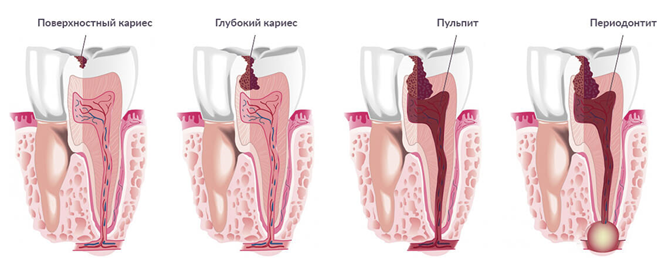
Caries is the most widespread dental disease, affecting nearly 100% of adults. It is characterized by the formation of cavities in the tooth. Once a cavity is detected, it is important to see a dentist as soon as possible. Treatment involves preparing the cavity, removing the damaged tissues, and restoring the anatomical shape and function of the tooth.
- glass ionomer cements;
- light-cured composite materials.
If a cavity is not treated in time, or if the process develops rapidly, the tooth may become sensitive to temperature and chewing pressure, or cause spontaneous pain, often worsening in the evening or at night. This indicates pulpitis – an infection and inflammation of the dental pulp (the nerve and blood vessel bundle inside the tooth).
If pulpitis is left untreated, or if treatment is inadequate (e.g., pulp tissue remains in the canal or the canal is poorly sealed), the infection may spread beyond the tooth and cause inflammation of the surrounding tissues — periodontitis.
Both pulpitis and periodontitis require endodontic treatment, which includes mechanical and chemical cleaning of the root canals followed by their sealing.
Root canal cleaning can be performed manually or with rotary instruments. Rotary treatment is carried out with a special endodontic handpiece using flexible nickel-titanium files. These instruments operate under strict parameters, minimizing the risk of instrument fracture inside the canal.
Chemical treatment involves medicaments that dissolve pulp remnants, widen the canal chemically, and disinfect it thoroughly. Careful mechanical and chemical preparation is essential before sealing the canal.
All procedures are performed under the control of X-rays and with the use of an apex locator, which accurately measures the length of the root. This ensures complete sealing of the canal up to the apex, preventing further infection.
The restoration of the tooth crown is then carried out with glass ionomer cement or composite materials, recreating the natural shape and function of the tooth, including proper occlusal contacts.
Throughout treatment, we use materials and instruments from leading global manufacturers (Japan, Germany, Switzerland, USA). All procedures are performed under anesthesia using highly effective medications.